The Role of Internal Medicine in Preventive Health Care

Internal medicine focuses primarily on the general health of adults. Internists can diagnose, treat, and manage various medical conditions. However, the most effective treatment for any health condition is prevention. Fortunately, internists can provide patients with the education, tools, and resources necessary to keep their bodies healthy and in working order.
A comprehensive breakdown of internal medicine
The role of an internal medicine practitioner
According to the American College of Physicians, an internal medicine doctor, or internist, is a medical professional whose primary focus is long-term medical care. Note that the term "internist" does not mean it is the doctor's first year in residency—a common misconception. These medical professionals can also be called general internists or doctors of internal medicine. They handle every connection within the human body. Therefore, they craft recommendations to benefit the entire body, ranging from preventative to corrective services.
Understanding preventative healthcare
Preventative healthcare can refer to two types of services: services that prevent ailments or conditions or those that prevent chronic conditions from worsening. The former can refer to checkups and screenings, vaccinations, and lifestyle changes. The latter can range from medication management to collaborating with other specialists, such as if a patient is being treated for cancer. Regardless, the internist will work to ensure the patient's body is as healthy as possible.
Common preventative healthcare services in internal medicine
Patients can see their internal medicine doctor once or multiple times a year, depending on their bodies and lifestyles.
Health screenings
There are multiple types of health screenings an internist can perform, including pregnancy, diabetes, sexually transmitted diseases, heart disease, blood pressure, cancer, and much more. Note that one does not have to be experiencing specific symptoms to request a screening. In fact, patients with familial histories of specific conditions, such as diabetes or cancer, should inform their internist so they know how often to recommend and perform the specific screening. Likewise, patients with certain lifestyle habits, like smoking or tobacco use, may need lung cancer screening more frequently and a lot sooner than those who do not partake in these habits.
Mental health screenings
Separate from physical health screenings, the internist can perform mental health screenings. According to the Centers for Disease Control and Prevention, or CDC, there are multiple physical conditions, particularly chronic ones, that can impact a patient's mental health. Likewise, a mental health condition such as depression or anxiety can lead to physical conditions such as high blood pressure or strokes. Therefore, if patients are struggling mentally, they are strongly encouraged to consult their internist so they can provide appropriate suggestions and, possibly, referrals to mental health specialists.
Immunizations
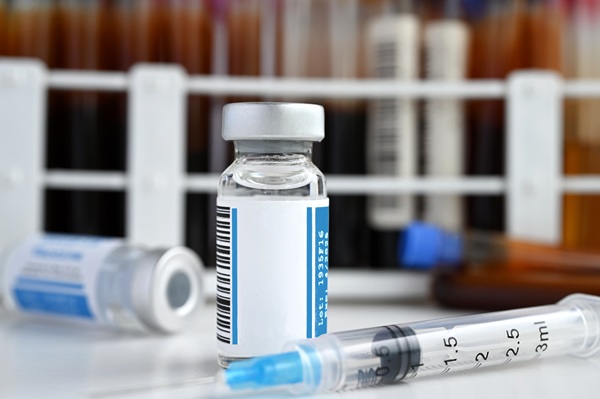
Immunizations, sometimes called vaccinations, are a major component of preventative healthcare. They are injections that range in necessity, with some classified as routine and others as needed. Their primary purpose is to lessen the impact or completely prevent certain ailments that cause significant damage to the bodily systems. For example, the flu shot is recommended for patients of all ages once a year before "flu season" due to its ever-changing nature, multiple strains, and powerful impact on the body and community. Alternatively, patients may request travel immunizations if they leave the country to protect themselves, the citizens of the country they are entering, and U.S. citizens upon their return.
Physicals
Whether a patient needs a routine physical or sports-related one, an internist has the necessary tools to conduct the service. Physicals ensure the body is working to perform day-to-day tasks and uncover developing conditions. These appointments allow the internist to make recommendations to the patient's lifestyle, medication or supplement use, and diet to prevent a condition from developing or worsening. For example, many cases of prediabetes or type two diabetes can be reversed with diet and exercise changes, which the internist can help with.
Be proactive in your health
Building a relationship with an internal medicine doctor is one of the most effective steps you can take to become proactive in your healthcare. That is why {{DBA}} offers internal medicine to those in and around the Sterling area. If you want more information on how you can safeguard your health specifically, contact our office.
Request an appointment here: https://stonesprings.millenniummedicalcare.com or call Millennium Medical Care Stone Springs at (703) 665-3242 for an appointment in our Sterling office.
Check out what others are saying about our services on Yelp: Internal Medicine in Sterling, VA.
Related Posts
Holistic medical care is a foundation in modern medicine. This branch of medical care offers a complementary approach that addresses a wide range of medical concerns, considering the interconnection of the mind, body, and spirit. It revolves around the overall well-being of adult patients, implementing accurate diagnoses and treatments for various medical conditions while recommending…
Travel immunizations before leaving the country are a good way to ensure your health and safety on an international trip and even during seasonal travel at the end of the year. You and your loved ones need to be up to date on regular immunizations to be healthy. Depending on your destination, length of stay,…
Many coughs resolve on their own after a cold or seasonal allergy. However, there are other times when they linger. It is best to visit a health clinic if you experience a persistent cough. The medical provider can provide a clear diagnosis and a treatment plan tailored to your unique needs. This quick, professional care…
Your primary care doctor should be one of your most important resources for your health and wellness. You can visit the family doctor when you are sick or have suffered injuries. The doctor is also available to help with mental health needs. Because smoking is linked to various health problems, your doctor is concerned if…